
Skip to product information
1 of 7

Train Your Jaw to Relax

Hawkeye Group

ClenchAlert® Biofeedback Device

ClenchAlert® Biofeedback Device

A smarter way to stop clenching and grinding.

Regular price $97.00 USD
Regular price Sale price $97.00 USD
Sale Sold out
ClenchAlert®
Quantity

Notice jaw clenching in real time.

Stress, focus, screen time, driving, and daily pressure can all show up in your jaw. Many people clench without realizing it until they feel the aftereffects: jaw tension, tooth pressure, sore temples, facial tightness, headaches, or neck discomfort.

ClenchAlert® helps bring that hidden habit into awareness.

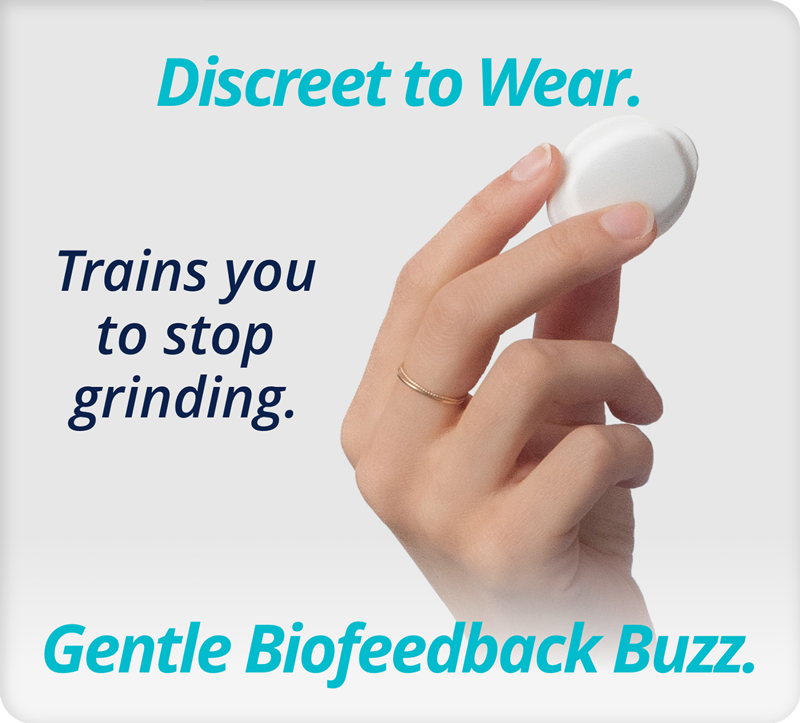
Unlike a passive mouthguard, ClenchAlert does more than cushion pressure. It uses gentle biofeedback to let you know when your jaw tightens. When you clench, the device vibrates, giving you a real-time cue to release your jaw, separate your teeth, and reset.

The process is simple:

Notice. Release. Reset. Retrain.

Use ClenchAlert during the moments you are most likely to clench, such as working, driving, scrolling, concentrating, or moving through stress. Over time, those real-time cues can help you recognize your patterns and practice a more relaxed teeth-apart jaw position.

ClenchAlert is for people who want more than passive protection. It is for people who want to become aware of the habit while it is happening.

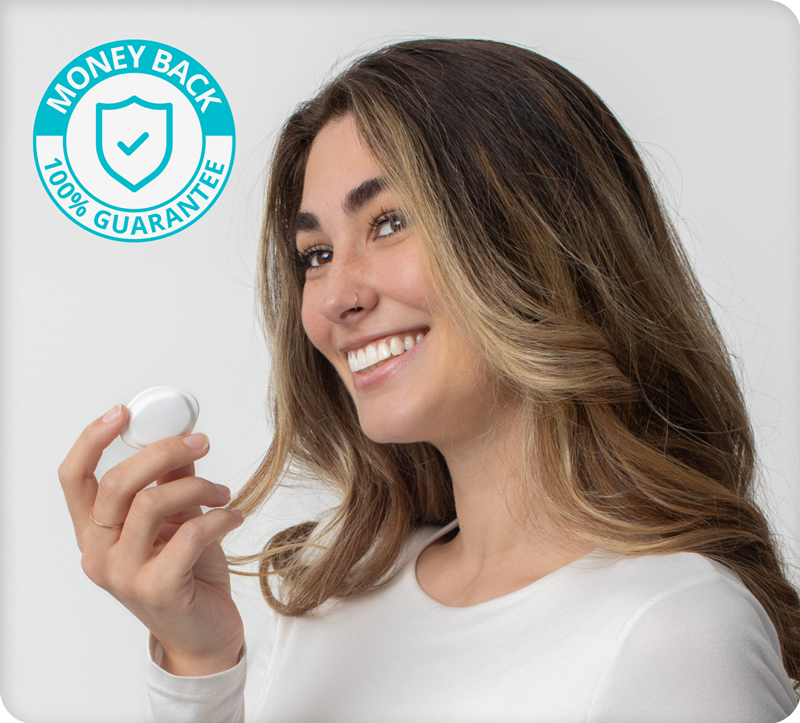
Try ClenchAlert® risk-free for 30 days. If it is not right for you, return it for a full refund.

View full details
Icon
Seen on Sleep World Magazine
Icon
Biofeedback Technology
Icon
Approved Teeth Protector
Icon
No Setup Required

Waking up with jaw pain, headaches, and sore muscles every day?

You’re likely clenching without realizing it. ClenchAlert detects it in real time and helps you stop. Using real-time biofeedback to break the habit and not just mask the symptom. 

Mouth icon

Pop it in.

Slim, Comfortable, and easy to wear.

Radio waves icon

Get Instant Feedback

Gentle vibrations train you to stop clenching and grinding.

Broken chain icon

Break the Habit.

Over time you learn, leading to fewer headaches less pain, and a healthier smile.

Person using ClenchAlert

Real Feedback.

Real Results.

Real Feedback. Real Results

★★★★★

There are a few natural things that I do, one being ClenchAlert.

★★★★★

ClenchAlert has been a game-changer.

★★★★★

Adding this product to my daily routine has saved my jaw pain.

★★★★★

ClenchAlert has been a game-changer.

The Smarter Choice

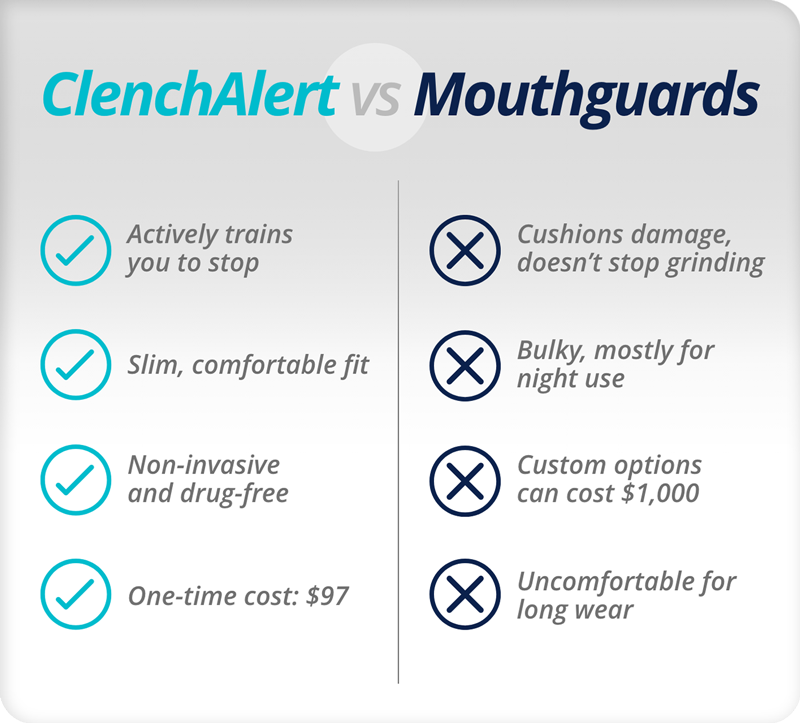
Stop protecting the damage with mouthguards. Start by stopping the underlying habit. Most mouthguards protect your teeth, but they don't address clenching. ClenchAlert detects clenching in real time and interrupts it immediately, helping you break the habit

Bullet

Stops clenching at the source by building new habit

Bullet

Real-time clenching detection

Bullet

Slim & Comfortable fit

Bullet

Wear during the day, not just at night

Bullet

One-time cost: $97

Bullet

Non-invasive and drug-free

Bullet

Trusted by users, reducing jaw tension and headaches

Bullet

Doesn't address the root cause of clenching

Bullet

No feedback, no habit change

Bullet

Big, Bulky, Uncomfortable

Bullet

Usually worn at night

Bullet

Custom options cost up to $1,000

Bullet

Passive solution & doesn't fix the behavior

Everything you need

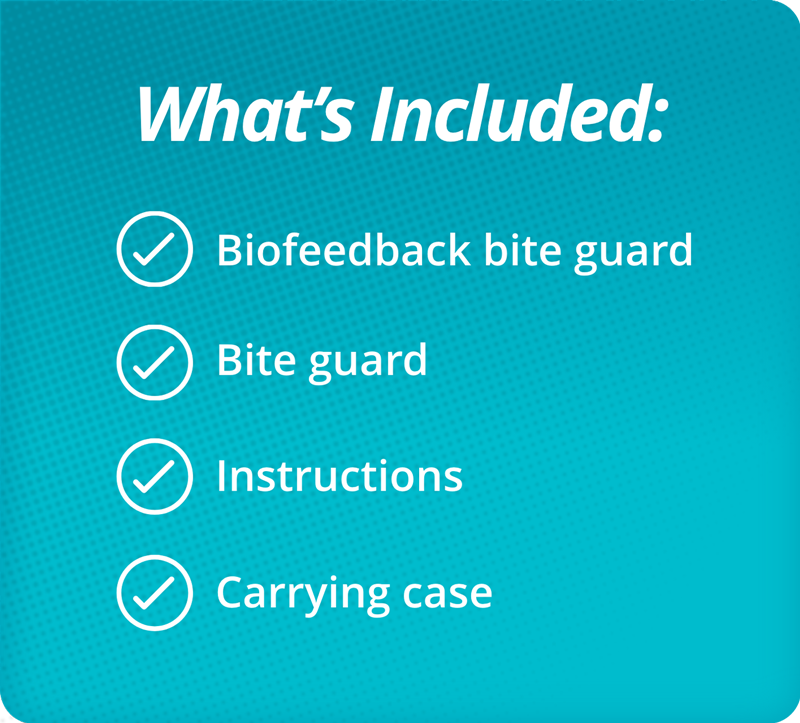
What's Included in the Box

Product in box
Check mark
Instructions
Check mark
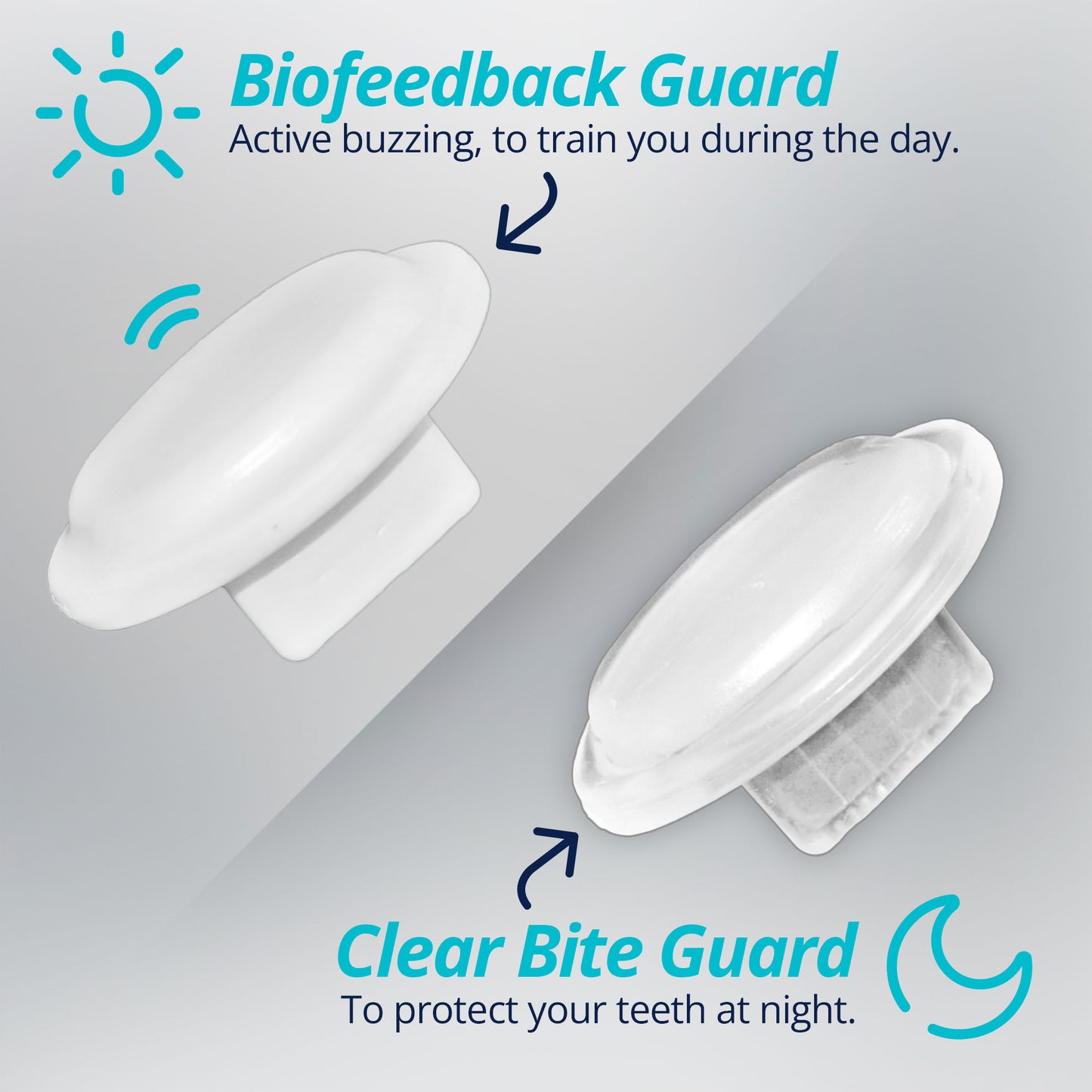
BioFeedback Bite Guard
For Daytime Training
Check mark
Clear Bite Guard
To Protect Your Teeth at Night
Check mark
Carrying Case

Frequently Asked Questions

Is ClenchAlert a mouthguard?

No. ClenchAlert is not a traditional mouthguard. A mouthguard is designed mainly to create a protective barrier between your teeth. It may help reduce tooth wear from grinding or clenching, but it does not teach you when you are clenching.

ClenchAlert is a biofeedback training device. It is designed to help you notice jaw clenching in real time by giving you a gentle vibration when pressure is detected. That awareness can help you relax your jaw, return to a teeth-apart resting position, and begin retraining the clenching habit.

A simple way to understand the difference is this: a mouthguard protects your teeth; ClenchAlert helps you notice the habit.

Is ClenchAlert for awake bruxism, sleep bruxism, or both?

ClenchAlert is primarily designed for awake bruxism, also called daytime jaw clenching. Awake bruxism often happens during stress, concentration, driving, computer work, emotional tension, or focused tasks. Many people do not realize they are clenching until they feel jaw pain, facial tension, headaches, or tooth sensitivity.

ClenchAlert may also help some people become more aware of their overall clenching patterns, especially when used with symptom tracking. However, sleep bruxism is different. It happens during sleep and may be linked to sleep arousals, airway issues, medications, stress, or other medical factors.

If you suspect sleep bruxism, loud snoring, gasping, poor sleep, morning headaches, or daytime fatigue, talk with a dentist, physician, or sleep professional.

What should I do when ClenchAlert vibrates?

When ClenchAlert vibrates, treat it as a gentle reminder, not a warning. The goal is to notice the clenching pattern and release it.

Try this simple reset:

  1. Stop and notice: “I am clenching.”
  2. Separate your teeth: Keep your lips relaxed and your teeth slightly apart.
  3. Relax your jaw: Let your tongue rest lightly against the roof of your mouth.
  4. Exhale slowly: Use one slow breath to soften your face, jaw, neck, and shoulders.
  5. Notice the trigger: Were you concentrating, stressed, driving, scrolling, lifting, or holding tension?

Over time, this process can help you connect the vibration with a new response: notice, release, reset.

How long should I wear ClenchAlert each day?

Start with short, consistent practice sessions. Many people begin by wearing ClenchAlert during times when they are most likely to clench, such as computer work, studying, driving, reading, phone use, or stressful tasks.

A practical starting point is 15 to 30 minutes per session, once or twice a day. As you learn your patterns, you may choose to use it during longer high-risk periods.

The goal is not to wear it every minute of the day. The goal is to build awareness during the moments when your jaw clenching habit is most active.

Use it as a training tool:

  • Wear it during common trigger times.
  • Respond each time it vibrates.
  • Track what was happening.
  • Practice returning to a teeth-apart resting position.

Consistency matters more than long sessions.

Can I use ClenchAlert with the 90-Day Symptom Journal?

Yes. ClenchAlert and the 90-Day Symptom Journal work well together because they help you connect real-time awareness with longer-term pattern tracking.

ClenchAlert helps you notice clenching as it happens. The 90-Day Symptom Journal helps you track when clenching shows up, what may trigger it, and how symptoms change over time.

You can use the journal to record:

  • Times of day when you clench most
  • Stress levels
  • Headaches
  • Jaw pain
  • Facial tension
  • Neck or shoulder tension
  • Sleep quality
  • Morning symptoms
  • Work, driving, or screen-time triggers
  • What helped you release the jaw

This can make your patterns easier to understand and can also give your dentist, doctor, physical therapist, or orofacial pain specialist more useful information.

How does ClenchAlert fit into the BRUX Method?

ClenchAlert fits naturally into the BRUX Method because it supports the first and most important step: awareness.

The BRUX Method is a behavior-based framework for understanding and changing clenching patterns:

B: Build Awareness
ClenchAlert helps you notice when your teeth are touching or when your jaw is tightening. You cannot change a clenching habit you have not learned to notice.

R: Relax the Response
When ClenchAlert vibrates, you practice releasing the jaw, separating the teeth, relaxing the face, and calming the nervous system.

U: Understand Triggers
By pairing ClenchAlert with symptom tracking, you can begin to see when clenching happens. Common triggers may include stress, focus, posture, driving, screen time, emotional strain, or poor sleep.

X: eXchange the Pattern
Instead of repeating the same clenching response, you practice a new pattern: notice the signal, release the jaw, breathe, and return to a relaxed teeth-apart position.

ClenchAlert is not just protection. It is a tool for awareness, feedback, and habit retraining.

When should I talk to a dentist or doctor?

Talk to a dentist, doctor, or qualified health professional if jaw clenching is causing ongoing symptoms or if you are unsure what is driving the problem.

You should seek professional help if you have:

  • Persistent jaw pain
  • Tooth pain or tooth sensitivity
  • Worn, cracked, or damaged teeth
  • Frequent headaches
  • Facial pain
  • Ear pain without a clear ear infection
  • Jaw clicking, locking, or limited opening
  • Morning headaches
  • Loud snoring, gasping, or choking during sleep
  • Daytime fatigue or poor sleep
  • Symptoms that are getting worse

A dentist can check your teeth, bite, jaw joints, and signs of bruxism. A physician or sleep professional may be needed if symptoms suggest sleep apnea, medication effects, neurologic issues, or another medical condition.

ClenchAlert can help you become more aware of jaw clenching, but it does not replace diagnosis, dental care, or medical evaluation when symptoms are persistent, severe, or worsening.

How does ClenchAlert enhance awareness of clenching?

ClenchAlert gently alerts you when clenching or grinding occurs, allowing you to consciously relax your jaw into the lips together, teeth apart position. This regular feedback helps you break the habit and prevent unnecessary tension.

Can I wear ClenchAlert® during the day?

Yes, ClenchAlert® is designed to be discreet and comfortable for anytime use.

How do I know if ClenchAlert® is working?

ClenchAlert® vibrates when it detects clenching, giving you a gentle reminder to relax your jaw. You’ll be able to feel the feedback and take steps to stop clenching before pain sets in.

Can I use ClenchAlert® with a mouthguard or retainer?

ClenchAlert® can be worn alongside a mouthguard or retainer, but some customers find that it fits best on its own. It’s recommended to experiment with the device to see what works best for you.

Is ClenchAlert® safe to use?

Yes, ClenchAlert® is completely safe. It uses gentle vibrations to provide feedback, and it’s free from harmful radiation, ensuring a safe and non-intrusive way to monitor and manage your clenching.

How do I clean ClenchAlert®?

Simply wipe the device with a clean, damp cloth. Avoid using harsh chemicals or submerging the device in water.

How do I return the product if I’m not satisfied?

If you’re not happy with ClenchAlert®, simply contact us within 30 days of purchase to initiate the return process. We’ll guide you through the steps and ensure a full refund.